
A wood-burning stove is the perfect way to heat your home, especially during the colder winter months. But to keep it running safely and efficiently, regular cleaning is essential. Neglecting this task can lead to soot-stained glass, poor airflow, and even excess smoke. Follow our step-by-step guide for deep cleaning your stove to keep it in top condition.

Why Cleaning Your Stove Matters
Burning wood produces creosote, a sticky, flammable residue that builds up inside the flue or chimney. If left unchecked, this increases the risk of chimney fires.
Aside from safety, a clean stove performs better, avoids harmful emissions, warms your home faster, and uses less fuel. Keeping your stove clean means lower heating costs and a longer lifespan for your appliance; good for your home and better for the environment.
How Often Should You Clean Your Stove?
- Occasional use: Every couple of weeks.
- Daily winter use: Weekly maintenance, with a deep clean monthly.
- End of season: Always give it a full clean before storing.
If you are experiencing excess smoke, darkened glass, unusual smells, or your fire is struggling to take off, these might be signs that your stove needs a deep clean.
What You’ll Need
- Stove-safe glass cleaner or vinegar
- Metal scraper or ash shovel
- Soft brush or ash vacuum
- Dry cloths or old towels
- Fire rope sealant (if needed)
Step-by-Step Cleaning Process
1. Cool the Stove Completely
Never clean a hot stove. Let it cool overnight before diving into the deep cleaning.
2. Remove Ash and Debris
Scoop out all the ash with a metal shovel and deposit it into a waste container. If you have one, use an ash vacuum to suck up the fine particles; avoid using regular vacuums, as this can damage them.
Tip: Ash from wood fires can be deposited into your compost bin or applied directly to bare ground as a fertilizer. It is a natural source of potassium, calcium, and magnesium, which benefit your soil. It also has a liming effect, so it can help to combat excessively acidic soils.
3. Clean the Glass Door
For light marks, use vinegar, water, and some old newspaper to wipe away the smudges. For more stubborn soot, apply stove glass cleaner or rub cooled ash gently on the glass to help rub it off.
4. Inspect and Clean the Flue
A clear flue ensures proper airflow and reduces fire risk. Hire a professional sweep once or twice a year, or use a flue brush if you’re comfortable cleaning it yourself. Always dispose of the soot safely.
Tip: To safely dispose of chimney soot, ensure it is completely cool, placed in a sealed non-combustible container, and disposed of in your regular black waste bin.
5. Wipe Down the Exterior
Use a dry old cloth to remove dust from the door and surrounding areas. For a shiny look, apply stove restorer or polish. If rust appears, treat it with a rust remover and repaint with stove-safe paint if needed.
6. Check Seals and Gaskets
Inspect the door seals for wear and tear. Replace any frayed rope seals with fire rope sealant to maintain efficiency and avoid losing heat through the gaps.
To Prevent Future Buildup
- Burn dried wood with less than 20% moisture; the less moisture your fuel has, the less ash it will deposit.
- Avoid painted, treated wood, plastics, or non-organic materials; these fuel options will release harmful fumes when they burn.
- Choose hardwoods like oak or ash for cleaner burns.
- Maintain proper airflow and avoid overloading the firebox; overloading your stove will cause excessive smoke to be released.
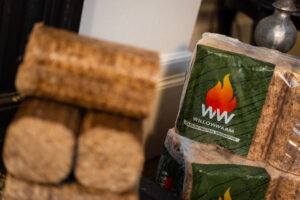
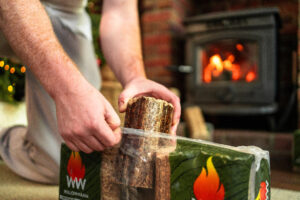
Tip: WillowWarm briquettes are an excellent choice of fuel; they contain less than 8% moisture, producing minimal ash (<3%), with less mess and an easier clean-up. We also offer WillowWarm pellets for use in pellet stoves.
Stock up on WillowWarm briquettes today and keep your stove sparkling.